Experience Home Collections in as early as 45 minutes* when you book with us online. *Subject to slot availability
Experience Home Collections in as early as 45 minutes* when you book with us online. *Subject to slot availability


Tags
What Causes Dengue Fever? Symptoms, Warning Signs and Prevention
During the rainy season, the number of mosquito-borne illnesses tends to rise significantly with dengue fever becoming one of the most common health concerns. Dengue is a viral infection that spreads through the bite of an infected Aedes mosquito carrying one of the four dengue virus serotypes. The illness often causes headache, high fever, skin rash, and muscle or joint pain. If these symptoms develop during the monsoon season, dengue could be the underlying cause. Understanding how dengue spreads, knowing its early warning signs, and adopting preventive measures can help reduce the risk of infection and support timely medical care.
What do you understand by dengue fever?
It is a viral illness caused by any one of the four dengue virus serotypes. The disease is commonly reported in tropical and subtropical countries, including India.
However, not everyone who gets infected develops noticeable symptoms. While many people recover with supportive care, some may develop severe dengue, which is a medical emergency. In such a case, warning signs often appear when the fever begins to settle, usually after a few days of illness. Signs of severe dengue include persistent vomiting, extreme weakness, difficulty breathing, severe abdominal pain, unusual bleeding and confusion.
Common signs and symptoms of dengue fever?
The severity of dengue can vary from person to person. While some people may remain symptom-free, others may develop mild to severe illness. Symptoms generally appear 4 to 10 days after the bite of an infected mosquito.
Common symptoms include:
- High fever (up to 104°F or 40°C)
- Rash
- Intense pain behind the eyes
- Nausea or vomiting
- Muscle pain, bone pain, and joint pain
- Easy bruising or bleeding beneath the skin
- Swollen glands
- Headache
As the disease progresses, some individuals may develop warning signs of severe dengue. These include:
- Bleeding from the gums or nose
- Tiredness, restlessness or irritability
- Persistent vomiting
- Blood in the stool or throwing up blood
- Belly pain
- Restlessness or irritability
Any individual who experiences these warning signs should immediately seek emergency medical care.
Causes
Dengue fever is caused by infection with one of the four dengue virus serotypes. Unlike illnesses that spread directly from one person to another, dengue spreads through the bite of an infected Aedes mosquito.
Once the virus enters the bloodstream, it multiplies. In some people, the body's immune response may cause blood vessels to become more permeable, allowing fluid to leak into surrounding tissues. During this period, the platelet count may also begin to fall. Platelets are a part of the blood that form clots and prevent you from losing too much blood. Reduced platelet counts alongside blood vessel leakage can result in life-threatening symptoms of severe dengue.
How does this viral infection spread?
Dengue spreads through the bite of an infected Aedes mosquito, which is also responsible for carrying viruses like chikungunya and zika. A mosquito becomes infected after feeding on the blood of a person who has dengue. After an incubation period inside the mosquito, it can transmit the virus to other people through subsequent bites.
Dengue does not spread through casual contact, touching, or sharing food with an infected individual. After recovering from dengue, a person usually develops long-term immunity to the specific serotype responsible for the infection.
What are the risk factors?
Certain factors can raise the likelihood of contracting dengue fever, or a more severe infection. These include:
- A previous dengue infection, especially if reinfected with a different virus serotype.
- Young children, older adults, and individuals with weakened immune systems.
- Living in or travelling to tropical and subtropical regions where dengue is common, including many parts of Asia, Africa, Central America, South America, and the Pacific Islands.
- Staying in areas with poor mosquito control or where stagnant water allows mosquitoes to breed.
How long does dengue virus remain in the body?
The dengue virus is usually present in the bloodstream during the early phase of illness, generally for about 4 to 7 days after symptoms begin. However, the exact duration can vary depending on an individual's immunity and the virus strain.
The illness generally progresses through the following stages:
Incubation period: Usually 4 to 10 days after the infected mosquito bite. During this duration, there are no symptoms.
Febrile phase: Lasts for 2-7 days and is marked by high fever and other common dengue symptoms.
Critical Phase: It usually begins when the fever starts to subside. In this duration, while many people improve, some may develop plasma leakage, often requiring urgent medical attention.
Recovery phase: Once fluid balance returns, appetite improves, and symptoms begin to resolve, most people gradually recover.
How is dengue fever detected?
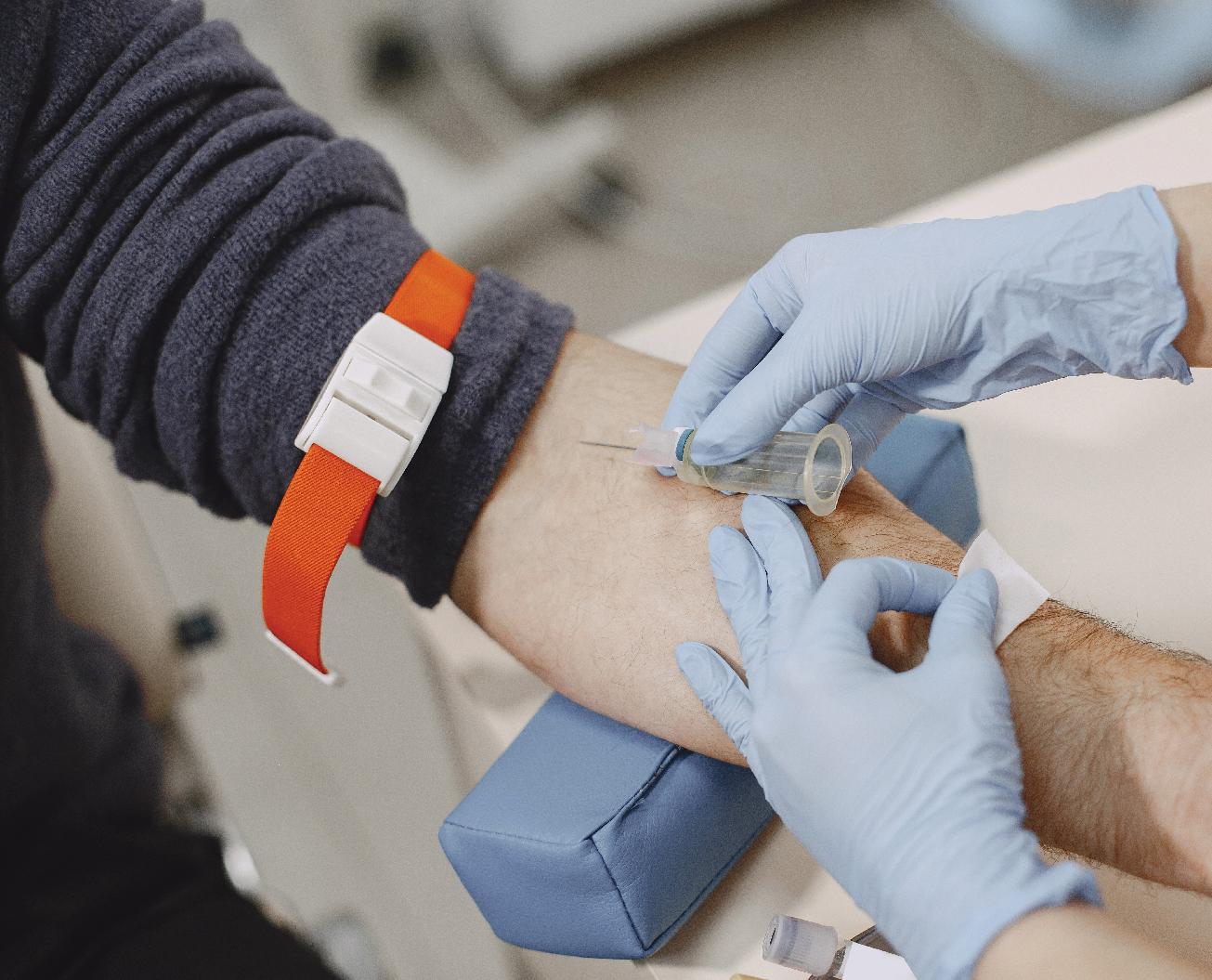
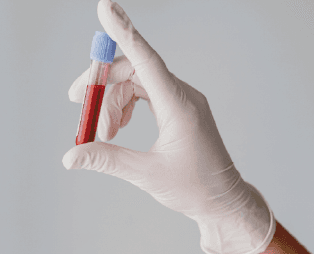
Dengue is detected with a blood test performed under the supervision of a healthcare professional. A blood sample is collected from a vein and analysed in a laboratory to look for evidence of dengue infection. Depending on the stage of illness, different tests may be recommended, such as the NS1 antigen test or antibody tests.
What does a dengue blood test check for?
Given that dengue symptoms often resemble those of other viral infections, a blood test will help confirm or rule out the condition. Here are some of the markers that doctors are usually looking for to identify dengue fever in a blood test:
- Platelet count, which may decrease during dengue.
- White blood cell count, which is often lower than normal.
- Haematocrit level, which may rise if plasma leakage occurs.
- NS1 antigen, which helps detect early dengue infection.
- Dengue IgM and IgG antibodies, which help identify recent or past infection depending on the stage of illness.
Management, Treatment and Prevention
How does it get treated?
There is currently no specific antiviral medicine that cures dengue fever. Treatment mainly focuses on relieving symptoms, preventing complications, and monitoring the patient's condition. People with suspected or confirmed severe dengue require immediate hospital care.
People with severe dengue may require hospitalisation for close monitoring, intravenous fluids, blood products when indicated, and supportive medical care.
In a mild dengue case, your doctor may advise the following:
Get adequate rest and allow your body to recover.
Stay well hydrated by drinking plenty of water, coconut water, rehydration solution (ORS), and plenty of fluids such as water, ORS, soups, and coconut water, prepared at home with extra hygiene.
Eat soft, nutritious and easily digestible meals while avoiding excessively oily or spicy foods.
Take medicine as recommended by your healthcare provider.
How to prevent mosquito bites?
According to the World Health Organization (WHO), preventing mosquito bites and preventing mosquito breeding during seasons like the monsoon can help combat this viral infection. The following precautions can help:
Wear protective clothing: It is best to take precautions beforehand and wear fully covered clothes like long-sleeved shirts, long pants, socks, shoes, etc.
Keep your surroundings protected: Aedes mosquitoes are most active during the early morning and late afternoon, although they can bite at other times during the day. So it's better to take safety measures from the beginning.
Eliminate mosquito breeding sites: It is important to keep the surroundings neat and clean. Aedes mosquitoes breed in clean, stagnant water found in water storage containers, flowerpots, buckets, coolers, and discarded tyres.
Use mosquito repellents: Use mosquito repellent which may come in the form of spray, cream, lotion or stick.
What to remember?
Every year, millions of people worldwide are infected with dengue. Most cases are mild or do not show any symptoms. However, the thought of getting infected with this virus during the monsoon season can bring stress of its own. The good news is that you can take preventive steps to reduce the risk of mosquito bites by staying alert to the warning signs and understanding what causes dengue fever.
FAQs
1. Is dengue fever a serious health issue?
Yes, it can be a serious illness and affect your health. Most individuals experience mild or no symptoms and recover completely under medical supervision.
2. What is the final stage of dengue fever?
The final stage is the recovery phase, which follows the febrile and critical phases.
3. How do you know you are recovering from this viral infection?
You will know you are recovering from dengue fever when your fever is gone, the rashes start fading, your appetite returns, and your body regains its fluid balance.
4. Is it good to eat eggs if I have dengue?
Yes, it is good to eat eggs when you get infected with dengue fever, as it offers the required nutrients and protein.
5. What foods should I avoid in dengue?
During dengue, you should avoid oily and fried foods with too many spices, caffeinated drinks, alcoholic drinks, sugary drinks, and packaged juices.
Sources:
https://www.who.int/news-room/fact-sheets/detail/dengue-and-severe-dengue
https://www.ncbi.nlm.nih.gov/books/NBK430732/
https://www.worldmosquitoprogram.org/es/node/80
Related Products
Trending Blogs
How does a whole body health check-up keep you safe?
Viral Fever: Symptoms, Causes and Diagnosis

वायु प्रदूषण और स्वास्थ्य पर उनके प्रभाव

Understanding Fever: Warning Signs, and When to Get Tested

Liver Infection: Symptoms, Causes, Treatment and Prevention

बुखार के लक्षण क्या हैं? क्या 99°F बुखार माना जाता है!

What Causes Dengue Fever? Symptoms, Warning Signs and Prevention

H1N1 (स्वाइन फ्लू): कारण, लक्षण, उपचार और रोकथाम – पूरी जानकारी

Neck Pain: Symptoms, Causes and Diagnosis



Importance of preventive health check-up

Air pollution: Know how it affects your health

Heart Disease: Types, Causes and Prevention

संपूर्ण शरीर PET CT स्कैन: प्रक्रिया, आवश्यकता और लाभ

Why Blood Tests Are the Silent Heroes of Preventive Healthcare
एमआरआई स्कैन: क्या है, कैसे होता है — पूरी जानकारी

Diabetes Screening: Your First Step to Healthy Living

Why a Full Body Checkup Is a Smart Investment in Your Health

7 Benefits of Drinking Cucumber Water for Hydration & Wellness

धूम्रपान : यह आपके हृदय और फेफड़ों को कैसे नुकसान पहुंचा सकता है

Amazing Foods to Boost Immunity and Energy in Monsoon!

What Is an MRI Cervical Spine Scan and How Does It Work?

Heart Diseases: What Tests Can Tell You About Your Heart

Persistent Cough? Know When It’s Time to Get It Checked

Prediabetes Symptoms You Shouldn't Ignore!


डीएलसी (DLC Test) और टीएलसी (TLC Test in Hindi) | WBC Count