Experience Home Collections in as early as 45 minutes* when you book with us online. *Subject to slot availability
Experience Home Collections in as early as 45 minutes* when you book with us online. *Subject to slot availability


Tags
High Cholesterol Symptoms: Signs, Causes and Prevention
Cholesterol is a waxy, fat-like substance that the body needs for several important functions. It plays a key role in building healthy cells and producing certain hormones. The liver produces most of the cholesterol in your body, and some also comes from the foods you eat.
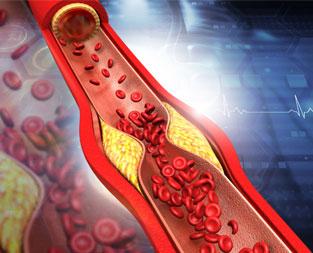
Cholesterol becomes a problem when levels get too high. Excess cholesterol, particularly LDL cholesterol, can contribute to the formation of plaque inside the arteries. Over time, this plaque can narrow the arteries and restrict blood flow to important organs, increasing the risk of heart disease, heart attack and stroke.
Cholesterol travels through the bloodstream with the help of lipoproteins. The main types include:
- LDL (low-density lipoprotein): Often called "bad cholesterol," LDL can contribute to plaque formation in the arteries when present in excess.
- VLDL (very-low-density lipoprotein): VLDL mainly carries triglycerides through the bloodstream and can also contribute to plaque buildup.
- HDL (high-density lipoprotein): Commonly known as "good cholesterol," HDL helps transport cholesterol back to the liver, where it can be processed and removed from the body.
Common symptoms of high cholesterol
One of the most important things to know about high cholesterol is that it usually has no noticeable symptoms. A person can have elevated cholesterol for years without knowing it. In some cases, however, conditions caused or influenced by high cholesterol may produce warning signs.
1. Yellowish fatty deposits on the skin: Individuals with very high cholesterol, particularly certain inherited forms, may develop yellowish fatty deposits called xanthomas. These can appear around the elbows, knees, hands, joints or other areas of the skin.
2. Chest pain or pressure: High cholesterol does not directly cause chest pain. However, cholesterol-related plaque can build up in the coronary arteries and reduce blood flow to the heart. This may result in angina, which can feel like pressure, tightness or discomfort in the chest. Sudden or severe chest pain, especially when accompanied by sweating, nausea, weakness or breathlessness, requires immediate medical attention.
3. Shortness of breath: It can result from many reasons, but if cholesterol is the reason behind coronary artery disease or any other cardiovascular health problems, you may feel shortness of breath as a bad cholesterol symptom.
4. Unexplained fatigue: Fatigue is not a direct symptom of high cholesterol. It may occur when an underlying cardiovascular problem affects the body's ability to receive adequate blood and oxygen. Discuss persistent tiredness, especially when accompanied by chest discomfort, dizziness or reduced exercise tolerance, with a healthcare professional.
5. Leg pain while walking: Plaque can also develop in arteries outside the heart. If arteries supplying the legs become narrowed, it may lead to peripheral artery disease (PAD). A common symptom is pain, cramping or heaviness in the legs while walking that improves after resting.
6. Sudden weakness, numbness and difficulty in speaking: Cholesterol-related plaque can affect arteries supplying the brain. If blood flow to part of the brain becomes blocked, it can result in a stroke or transient ischaemic attack (TIA). Sudden weakness or numbness, difficulty speaking, facial drooping, confusion or vision changes should be treated as a medical emergency.
7. Severe abdominal pain: Very high triglyceride levels, rather than high cholesterol alone, can sometimes be associated with acute pancreatitis, which may cause severe abdominal pain.
8. Fatty liver or other metabolic health concerns: Fatty liver is commonly associated with conditions such as obesity, insulin resistance, type 2 diabetes and high triglyceride levels. High cholesterol may occur alongside these conditions, although this does not necessarily mean that high cholesterol directly causes fatty liver.
What causes high cholesterol?
There isn't always one specific reason why cholesterol levels become elevated. Several factors can contribute, including:
- Diabetes
- A family history of high cholesterol
- Increasing age
- Limited physical activity
- Excess body weight
- Smoking
- Excessive alcohol consumption
- Certain medications
- A diet high in saturated and trans fats
- Kidney disease
- Other underlying health conditions
Some people inherit genetic conditions that cause very high cholesterol levels, even when they follow a healthy lifestyle.
How is high cholesterol detected?
You cannot reliably identify high cholesterol through symptoms or physical appearance. A healthcare provider will consider your medical history, family history, lifestyle, and other health conditions, and may recommend a lipid profile test to measure total cholesterol, LDL, HDL, Triglycerides, and VLDL to assess heart health and the risk of blocked arteries.
Depending on your individual status, your healthcare provider may also consider other factors before deciding which treatment is right for you and what the next step should be.
Can high cholesterol be managed?
Managing bad cholesterol isn't as easy as it seems. It usually consists of a combination of lifestyle changes and timely medical intervention.
Start by maintaining a healthy diet: include vegetables, fruits, whole grains, pulses, nuts and other sources of unsaturated fats, while avoiding foods high in trans and saturated fats. The next step would be to stay physically active, maintain a healthy weight and avoid consuming alcohol and tobacco.
However, lifestyle changes alone may not be enough to improve your health. You also need treatment planning and timely medical intervention.
When should you consult a doctor?
Since high cholesterol usually does not produce symptoms, waiting for warning signs is not a reliable way to monitor it.
Speak with your doctor if you have an abnormal lipid profile, a family history of high cholesterol or early heart disease, diabetes, high blood pressure, obesity or other cardiovascular risk factors. Your doctor may recommend regular cholesterol testing based on your individual risk.
Seek urgent medical attention for symptoms such as persistent or severe chest pain, difficulty breathing, sudden weakness or numbness, difficulty speaking, facial drooping or sudden changes in vision, as these may indicate a heart attack or stroke.
FAQs
1. What foods should I avoid if I have high cholesterol?
Avoid foods high in trans and saturated fats such as red meat, fried food items like French fries, chicken wings, donuts, along with cookies, pastries, cakes, ice cream, cheese, butter, bacon, and sausages.
2. What are the common warning signs of cholesterol?
In most cases,, high cholesterol causes no symptoms, but watch for chest pain, shortness of breath, sudden fatigue, high blood pressure, cramping or leg pain, dizziness, and yellowish skin deposits.
3. Which organ is at most risk due to high cholesterol?
The heart and its blood vessels are at most risk due to high cholesterol.
4. Is stress also one of the contributing factors to cholesterol?
Yes, chronic stress can easily contribute to elevated cholesterol levels by affecting how your body processes fats and regulates hormones.
Sources:
https://www.nhlbi.nih.gov/health/blood-cholesterol/causes
https://www.healthdirect.gov.au/cholesterol
https://www.heartfoundation.org.au/your-heart/high-blood-cholesterol
Related Products
Trending Blogs

Why a Full Body Checkup Is a Smart Investment in Your Health

Air pollution: Know how it affects your health

Importance of preventive health check-up


Neck Pain: Symptoms, Causes and Diagnosis

High Cholesterol Symptoms: Signs, Causes and Prevention

Heart Diseases: What Tests Can Tell You About Your Heart

धूम्रपान : यह आपके हृदय और फेफड़ों को कैसे नुकसान पहुंचा सकता है
How does a whole body health check-up keep you safe?

Diabetes Screening: Your First Step to Healthy Living
एमआरआई स्कैन: क्या है, कैसे होता है — पूरी जानकारी
Heart Disease: Types, Causes and Prevention
Top 10 Chest Pain Remedies | Home Remedies For Heart Pain
High-Resolution Computed Tomography (HRCT)

What Causes Dengue Fever? Symptoms, Warning Signs and Prevention

Diabetes Symptoms: Signs Your Body May Be Giving You

Thyroid Symptoms: 10 Signs of a Possible Thyroid Problem
Prediabetes Symptoms You Shouldn't Ignore!
Persistent Cough? Know When It’s Time to Get It Checked

H1N1 (स्वाइन फ्लू): कारण, लक्षण, उपचार और रोकथाम – पूरी जानकारी

What Is an MRI Cervical Spine Scan and How Does It Work?

Amazing Foods to Boost Immunity and Energy in Monsoon!
What Is LDL Cholesterol In A Blood Test?

बुखार के लक्षण क्या हैं? क्या 99°F बुखार माना जाता है!

Liver Infection: Symptoms, Causes, Treatment and Prevention

7 Benefits of Drinking Cucumber Water for Hydration & Wellness

Understanding Fever: Warning Signs, and When to Get Tested

वायु प्रदूषण और स्वास्थ्य पर उनके प्रभाव

Why Blood Tests Are the Silent Heroes of Preventive Healthcare
संपूर्ण शरीर PET CT स्कैन: प्रक्रिया, आवश्यकता और लाभ