Experience Home Collections in as early as 45 minutes* when you book with us online. *Subject to slot availability
Experience Home Collections in as early as 45 minutes* when you book with us online. *Subject to slot availability


Tags
Heart Diseases: What Tests Can Tell You About Your Heart
The heart works around the clock to keep the blood flowing throughout the body. But how can you tell whether your heart is functioning as it should? Doctors use a range of tests, such as ECGs, echocardiograms, stress tests and cardiac imaging, along with blood tests, to get a clearer picture of heart health.
These tests can help identify certain risk factors or signs of heart problems at an early stage. The tests your doctor will recommend will depend on your symptoms, medical history, age and existing risk factors. Based on the results, your doctor may suggest lifestyle changes, regular monitoring or further evaluation.
Before exploring the different tests for heart diseases, it is helpful to understand the common symptoms and risk factors associated with cardiovascular health.
What are the common signs of heart disease?
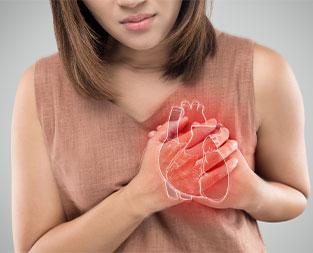
Symptoms may differ based on the type of heart condition. Common signs include:
- Discomfort or chest pain
- Shortness of breath
- Dizziness or fatigue
- Irregular or fast heartbeat
- Swelling in the legs, ankles or feet
- Pain, numbness or weakness in the arms or legs
- Fainting or feeling light-headed
Some heart conditions may cause few or no noticeable symptoms. This is why routine health checks can be important, particularly for people with known risk factors.
What are the risk factors of cardiovascular conditions?
Cardiovascular disease can develop due to several factors, including:
- Obesity or being overweight
- A family history of heart diseases
- High blood pressure
- High cholesterol
- Diabetes
- Chronic conditions like kidney disease or inflammatory disorders
- Sleep apnea
- Low levels of physical activity
- Poor sleep habits
- Excessive alcohol consumption
- Tobacco use
- Increasing age
Family history and age can also influence an individual’s overall cardiovascular risk.
What tests are used to detect heart disease?
There is no single test that can detect every type of heart disease. Depending on your symptoms and risk profile, your doctor may recommend blood tests, electrical tests, imaging studies or tests that show how the heart performs under stress.
Lipid Profile Test: It measures different types of fats in the blood and can provide information about cardiovascular risk. It typically includes:
Total cholesterol: It measures the overall amount of cholesterol in the blood.
Low-density lipoprotein cholesterol (LDL): Often called “bad” cholesterol, elevated LDL levels can contribute to plaque buildup in the arteries.
High-density lipoprotein cholesterol (HDL): Often called “good cholesterol”, HDL helps transport cholesterol away from the arteries.
Triglycerides: Elevated levels of this fat may be associated with an increased risk of cardiovascular disease and can be influenced by factors such as diet, weight, alcohol intake and certain medical conditions.
Troponin test: Troponin is a protein found in heart muscle cells. When the heart muscle is damaged, troponin can be released into the bloodstream.
Doctors commonly order a troponin test when a heart attack or other form of heart muscle injury is suspected. Results are interpreted alongside symptoms, medical history, and other test findings.
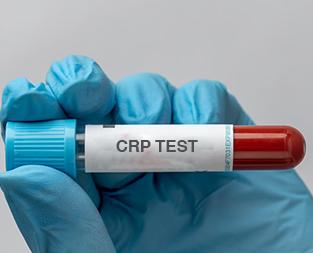
High-sensitivity C-reactive protein (hs-CRP): C-reactive protein (CRP) is produced by the liver in response to inflammation in the body. High-sensitivity CRP testing can detect relatively small changes in CRP levels.
For some individuals, hs-CRP may provide additional information regarding cardiovascular risk. It is generally considered alongside other risk factors rather than used as a standalone test to evaluate heart disease.
Lipoprotein(a) [Lp(a)] Test: Lipoprotein(a), or Lp(a), is a type of lipoprotein that can contribute to plaque buildup in the arteries.
Lp(a) levels are largely influenced by genetics. Testing may be considered for individuals with a family history of premature heart disease or other risk factors.
Homocysteine test: Homocysteine is an amino acid that supports the body's protein production. Vitamins such as B12, B6, and folate are involved in its metabolism.
Elevated homocysteine levels can be associated with an increased risk of cardiovascular and other health problems. Your doctor may recommend this test when there is a specific clinical reason to investigate homocysteine levels.
Electrocardiogram (ECG): An electrocardiogram, or ECG, records the electrical activity of the heart. It helps in evaluating abnormal heart rhythms and other changes in the heart’s electrical activity.
Echocardiogram: An echocardiogram uses ultrasound waves to create images of the heart. It can help doctors assess the heart's structure, pumping function, valves, and blood flow.
Stress Test: A stress test evaluates how the heart responds when it has to work harder. This is usually done through exercise, although medication may be used when exercise is not suitable.
It may be suggested to individuals experiencing symptoms such as chest discomfort or shortness of breath, or when a doctor needs additional information regarding the functioning of the heart during exertion.
Holter Monitoring: A Holter monitor is a portable device that continuously records the heart's electrical activity, generally for 24 hours or longer. It can be useful when symptoms such as palpitations, dizziness or fainting happen occasionally and may not occur during a standard ECG.
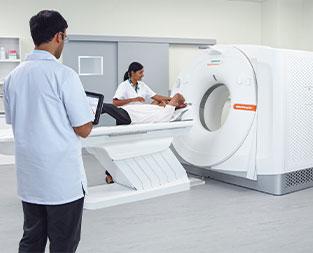
Cardiac Imaging Tests: Cardiac imaging can provide detailed information about the heart and blood vessels. Depending on the suspected condition, a doctor may recommend tests such as echocardiography, cardiac CT, CT coronary angiography or cardiac MRI. The choice of imaging may depend on the symptoms and the specific information the doctor needs.
Coronary Angiography: This imaging procedure is used to examine the coronary arteries. A contrast material may be used and X-ray images are taken to identify areas of narrowing or blockages.
It may be recommended when significant coronary artery disease is suspected or when a detailed assessment of the coronary arteries is required.
When should you consult a cardiologist?
Certain symptoms and risk factors should not be ignored. Consider speaking to a cardiologist if you experience:
- Chest pain or discomfort
- Shortness of breath
- Persistent or unexplained dizziness
- Palpitations or an irregular heartbeat
- A history of smoking
- High blood pressure, diabetes or high cholesterol
- A strong family history of heart disease
Chest pain, severe breathing difficulty, fainting or other sudden and serious symptoms can require urgent medical attention.
Detecting cardiovascular risk early can provide an opportunity to make appropriate lifestyle changes and seek treatment when needed. If you experience sudden or severe symptoms, seek prompt medical attention rather than waiting for them to resolve.
Please note: This article is intended for general informational purpose only. For personalised medical advice, please consult your cardiologist or another qualified healthcare professional.
FAQs
1. What are some common heart conditions?
Common cardiovascular conditions include coronary artery disease, heart failure, heart valve disorders and abnormal heart rhythms (arrhythmias).
2. What foods are good for heart health?
A heart-friendly eating pattern can include foods rich in fiber, healthy fats, and antioxidants, such as leafy green vegetables, whole grains, berries, nuts, and seeds. Limiting excess salt, added sugars and highly processed foods can also support cardiovascular health.
3. What signs may indicate a serious heart issue?
Chest pain or pressure, shortness of breath, fainting, sudden weakness and unexplained fatigue can be warning signs. Sudden or severe symptoms should receive prompt medical attention.
4. How can I support my heart health?
Regular physical activity, a balanced diet, adequate sleep, avoiding tobacco, limiting alcohol and managing conditions such as high blood pressure, diabetes and high cholesterol can all support cardiovascular health. Even adding a short walk to your daily routine can be a useful starting point.
Sources:
https://www.nhs.uk/conditions/coronary-heart-disease/diagnosis/
https://www.nhs.uk/conditions/heart-attack/
https://www.nhs.uk/conditions/cardiovascular-disease/
Related Products
Trending Blogs

Air pollution: Know how it affects your health
High-Resolution Computed Tomography (HRCT)

Top 10 Chest Pain Remedies | Home Remedies For Heart Pain

Heart Disease: Types, Causes and Prevention
एमआरआई स्कैन: क्या है, कैसे होता है — पूरी जानकारी

Diabetes Screening: Your First Step to Healthy Living

Why a Full Body Checkup Is a Smart Investment in Your Health

धूम्रपान : यह आपके हृदय और फेफड़ों को कैसे नुकसान पहुंचा सकता है

Heart Diseases: What Tests Can Tell You About Your Heart

Neck Pain: Symptoms, Causes and Diagnosis



Importance of preventive health check-up

Thyroid Symptoms: 10 Signs of a Possible Thyroid Problem
How does a whole body health check-up keep you safe?

संपूर्ण शरीर PET CT स्कैन: प्रक्रिया, आवश्यकता और लाभ

Why Blood Tests Are the Silent Heroes of Preventive Healthcare

वायु प्रदूषण और स्वास्थ्य पर उनके प्रभाव

Understanding Fever: Warning Signs, and When to Get Tested

7 Benefits of Drinking Cucumber Water for Hydration & Wellness

Liver Infection: Symptoms, Causes, Treatment and Prevention

बुखार के लक्षण क्या हैं? क्या 99°F बुखार माना जाता है!

What Causes Dengue Fever? Symptoms, Warning Signs and Prevention

Amazing Foods to Boost Immunity and Energy in Monsoon!

What Is an MRI Cervical Spine Scan and How Does It Work?

H1N1 (स्वाइन फ्लू): कारण, लक्षण, उपचार और रोकथाम – पूरी जानकारी

Persistent Cough? Know When It’s Time to Get It Checked
Prediabetes Symptoms You Shouldn't Ignore!