Experience Home Collections in as early as 45 minutes* when you book with us online. *Subject to slot availability
Experience Home Collections in as early as 45 minutes* when you book with us online. *Subject to slot availability



Tags
Prediabetes Symptoms You Shouldn't Ignore!
Prediabetes is a stage in which blood glucose levels are higher than the normal range but have not yet reached the level used to diagnose type 2 diabetes. It is an early warning sign that your body may be struggling to regulate blood sugar effectively.
The important thing to remember is that prediabetes often does not cause obvious symptoms. Many people discover they have it only after undergoing a routine blood sugar test. This makes regular screening particularly important, especially for people who have risk factors for diabetes.
The good news is that identifying prediabetes early provides an opportunity to take action. Healthy lifestyle changes, along with guidance from a healthcare professional, can help manage blood sugar levels and may prevent or delay the progression to type 2 diabetes.
What is prediabetes?
Prediabetes occurs when blood glucose levels are above normal but below the diagnostic threshold for diabetes.
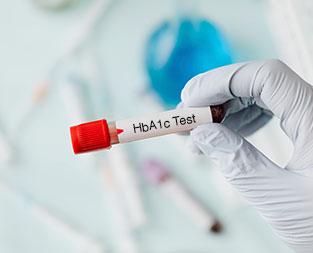
Prediabetes can also be identified through an HbA1c test. Having prediabetes does not mean that type 2 diabetes is inevitable. Early lifestyle changes can significantly reduce the risk of progression.
Does prediabetes cause symptoms?
In most cases, prediabetes has no clear symptoms. This is one of the reasons it can go unnoticed for years.
However, some people with elevated blood glucose may experience symptoms commonly associated with diabetes. These can include:
1. Frequent urination
Needing to urinate more often than usual, particularly at night, can occur when blood glucose becomes significantly elevated. The kidneys work to remove excess glucose from the bloodstream, which can increase urine production.
An increased urge to pee more than usual indicates the body can't keep up with the extra sugar in the bloodstream. The excess sugar is expelled through urine when the body can't absorb it all. So, if you notice yourself making frequent trips to the bathroom more than normal, it could be a sign of prediabetes that you should not ignore.
2. Increased thirst
Persistent thirst may accompany frequent urination when blood glucose levels are high. However, it is also important to know what is normal and what is not. Drinking more water than usual on hot days seems fine, but persistent or extreme thirst may be a warning sign.
When your body has difficulty processing sugar properly, extra sugar stays in the bloodstream. To get rid of it, your kidneys produce more urine, leading to dehydration and increasing the constant urge of drink.
Even if you drink more water, it may not stop you from feeling thirsty or needing to go to the bathroom more often; this may indicate that your body is not producing the required amount of insulin, which is an early symptom of diabetes.
3. Increased hunger
Increased hunger is also one of the common signs of prediabetes. You may experience this because your body struggles to manage the fluctuating blood sugar levels. In this condition, your body cells become resistant to insulin (the hormone that regulates blood sugar levels). As a result, glucose from the food you eat has difficulty entering cells to be used for energy. This can leave you feeling low on energy despite eating an average amount of food.
Because your cells don't get enough glucose, your body signals your brain to eat more to meet its energy demands. The result? You may feel hungry all the time even after just having a meal, as your body carves more food when it struggles to use the glucose in the bloodstream.
4. Blurred vision
Blurred or poor vision can be a common sign linked with prediabetes and can indicate abnormal blood sugar levels. When glucose levels remain consistently high, they can cause vision problems, affecting the ability to focus and leading to distorted or blurred vision.
This mainly occurs because the body cannot use glucose effectively, causing too much sugar to build up in the blood. The excess sugar draws more fluid into the lens, changing both its shape and size and affecting the eye's focusing power. As a result, these vision changes can vary in intensity depending on changes in blood sugar levels.
5. Dark patches on the skin
Dark, thickened and velvety areas of skin, particularly around the neck, armpits or other skin folds, may be associated with insulin resistance. This condition is known as acanthosis nigricans.
It can occur in people with insulin resistance and may be associated with an increased risk of prediabetes or type 2 diabetes.
6. Slow-healing wounds
Individuals with high blood sugar levels may find it difficult to heal the body's wounds naturally. Increased blood sugar levels can damage nerves and vessels, affecting blood circulation. This means the nutrients and oxygen needed for proper healing may not reach wounds.
Due to this, even minor bruises and cuts can take months to heal, increasing the risk of infection. Additionally, when blood sugar levels remain high, it can disrupt the immune system, slowing the healing process and increasing the risk of bacterial infections.
So, if you notice cuts or wounds healing slowly, along with other prediabetes signs, it is best to consult your doctor to understand the risk and support early detection, as it could mean your body isn't managing blood sugar well.
7. Persistent fatigue
One of the most overlooked symptoms of prediabetes is ongoing tiredness or low energy. You may feel exhausted even after getting plenty of sleep.
This can happen because, in prediabetes, the body becomes less sensitive to insulin. As a result, glucose may not enter the cells as efficiently as it should. Since glucose is an important source of energy, this can leave you feeling tired, sluggish, weak, or lacking energy throughout the day.
If you are constantly feeling drained without a clear reason, especially along with other symptoms, it is worth getting your blood sugar levels checked before it gets worse.
How is prediabetes detected?
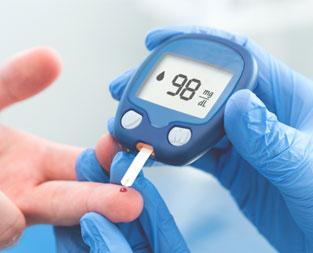
Because prediabetes often has no obvious symptoms, blood testing is the most reliable way to detect it.
Doctors may recommend one or more of the following tests:
- Fasting blood sugar test: This test is usually done early in the morning after an overnight fast of 8-10 hours, when you haven't eaten or drunk anything except plain water.
- HbA1c test: This test measures the average blood sugar levels over the past two to three months.
How can you prevent or delay type 2 diabetes?
A diagnosis of prediabetes is an opportunity to take action. Several lifestyle measures can help lower the risk of developing type 2 diabetes.
- Following a balanced diet: Build your meals around vegetables, whole grains, pulses, lean protein and other nutrient-rich foods. Limit added sugars, sugary drinks and highly processed foods. Rather than making drastic dietary changes, focus on sustainable habits that you can maintain over time.
- Stay physically active: Regular physical activity can improve insulin sensitivity and support healthy blood glucose levels. Brisk walking is a simple way to begin if you are currently inactive.
- Maintain a healthy weight: If you are overweight, even modest weight loss can improve blood glucose regulation and lower the risk of progressing to type 2 diabetes.
- Avoid smoking and alcohol: Avoid smoking and discuss alcohol intake with your healthcare professional, particularly if you have other health conditions or take medications.
When to consult your doctor?
If you have prediabetes or notice symptoms such as increased thirst, frequent urination, fatigue, or blurred vision, it’s important to speak with your doctor.
FAQs
1. Can you have prediabetes without symptoms?
Yes. Prediabetes often has few or no noticeable symptoms, which is why regular blood sugar testing is important.
3. How is prediabetes detected?
Your doctor may recommend a fasting blood sugar test or an HbA1c test to check your blood sugar levels.
4. Can prediabetes be reversed?
Yes, lifestyle changes such as a balanced diet, regular physical activity, and maintaining a healthy weight may help manage or reverse prediabetes.
Sources:
https://www.who.int/news-room/fact-sheets/detail/diabetes
https://diabetes.org/about-diabetes/prediabetes
https://www.cdc.gov/diabetes/prevention-type-2/prediabetes-prevent-type-2.html
Related Products
Trending Blogs

Why Blood Tests Are the Silent Heroes of Preventive Healthcare

Persistent Cough? Know When It’s Time to Get It Checked

H1N1 (स्वाइन फ्लू): कारण, लक्षण, उपचार और रोकथाम – पूरी जानकारी

Heart Diseases: What Tests Can Tell You About Your Heart

What Is an MRI Cervical Spine Scan and How Does It Work?

Amazing Foods to Boost Immunity and Energy in Monsoon!

धूम्रपान : यह आपके हृदय और फेफड़ों को कैसे नुकसान पहुंचा सकता है

What Causes Dengue Fever? Symptoms, Warning Signs and Prevention

बुखार के लक्षण क्या हैं? क्या 99°F बुखार माना जाता है!

Liver Infection: Symptoms, Causes, Treatment and Prevention

7 Benefits of Drinking Cucumber Water for Hydration & Wellness

Understanding Fever: Warning Signs, and When to Get Tested

Why a Full Body Checkup Is a Smart Investment in Your Health

वायु प्रदूषण और स्वास्थ्य पर उनके प्रभाव
एमआरआई स्कैन: क्या है, कैसे होता है — पूरी जानकारी

संपूर्ण शरीर PET CT स्कैन: प्रक्रिया, आवश्यकता और लाभ
How does a whole body health check-up keep you safe?
Heart Disease: Types, Causes and Prevention

Air pollution: Know how it affects your health

Importance of preventive health check-up



Neck Pain: Symptoms, Causes and Diagnosis

Prediabetes Symptoms You Shouldn't Ignore!

Diabetes Screening: Your First Step to Healthy Living