Experience Home Collections in as early as 45 minutes* when you book with us online. *Subject to slot availability
Experience Home Collections in as early as 45 minutes* when you book with us online. *Subject to slot availability


Tags
Diabetes Symptoms: Signs Your Body May Be Giving You
Diabetes can occur at any age, and its symptoms may not always be obvious at first. Some people may notice only subtle changes, while others may have no noticeable symptoms at all.
Knowing the early signs of diabetes can encourage timely testing and help people take necessary actions to manage their blood glucose levels.
What is diabetes?
Diabetes is a long-term condition that affects the body's ability to process blood glucose, commonly known as blood sugar. After we eat food, carbohydrates are broken down into glucose which enters the bloodstream. The pancreas produces insulin to help glucose enter cells, where it can be used for energy.
If an individual has diabetes, this process does not work as it should. With very little insulin, cells may become less responsive to it. This prevents glucose from being used efficiently and can cause it to accumulate in the bloodstream.
There are different types of diabetes, including type 1, type 2 and gestational diabetes. Each has different causes and treatment approaches, but all require appropriate monitoring and care.
Without proper management, prolonged elevation of blood glucose can affect the eyes, blood vessels, nerves, kidneys and other organs.
What are the early symptoms of diabetes?
- Frequent urge to urinate: Needing to urinate more often than usual, particularly during the night, can be associated with high blood sugar. The kidneys have to work hard to remove some of it through urine whenever there is excess glucose in the blood. This can increase urine production and may also make you feel unusually thirsty. If frequent urination is accompanied by increased thirst or unexplained tiredness, it may be worth discussing these symptoms with a healthcare professional.
- Blurred vision: Fluctuating glucose levels can temporarily affect the shape of the eye's lens, resulting in blurred vision. When high blood sugar remains uncontrolled over time, it can damage the blood vessels in the retina and contribute to diabetic retinopathy. Don't ignore persistent vision changes. A healthcare professional can help determine whether blood sugar or another eye-related condition is responsible.
- Unexpected weight loss: Losing weight without deliberately changing your diet can sometimes be a sign of diabetes. When the body cannot use glucose effectively for energy because of insufficient insulin, it may begin using stored fat and muscle as alternative energy sources. Unexplained weight loss can be a warning sign of diabetes, especially Type 1 diabetes, where the body produces little or no insulin.
- Persistent tiredness or weakness: Feeling unusually tired despite getting adequate rest can have many causes, and diabetes is one possible reason. When glucose cannot enter the body's cells effectively, the cells may not receive enough energy to meet the body's needs.
- Increased hunger: Feeling hungry soon after eating or experiencing a persistent increase in appetite can sometimes occur with diabetes. When insulin is insufficient or does not work effectively, glucose may not be used efficiently by the body's cells. This can leave the body signaling for more energy even after you've already eaten. Increased hunger on its own does not mean a person has diabetes, but it can be relevant when it occurs alongside other symptoms.
- Persistent infections: High blood sugar levels can weaken your immune system, making it easier for your body to thrive on bacteria and fungi. Women particularly notice urinary tract infections or recurrent yeast infections. If you often notice infections on skin, gums, or urinary tract, it can indicate the risk of uncontrolled blood sugar levels.
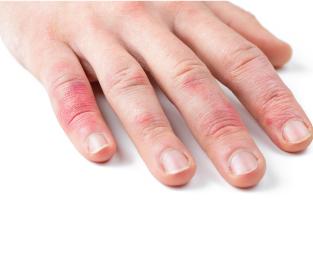
- Dark, Velvety patches on the skin: Darkened, thickened and velvety areas of skin, particularly around the neck, armpits or other skin folds, may be a condition called acanthosis nigricans. These patches usually reflect a sign of insulin resistance, before type 2 diabetes develops. The patches may feel soft, appear velvety to the touch and can slowly spread if it is not addressed through lifestyle changes or timely medical intervention.
Can diabetes be managed?
Diabetes is generally a manageable condition, although the approach depends on the type of diabetes and the individual's health needs.
Management may involve a combination of healthy eating, regular physical activity, monitoring blood glucose, maintaining a healthy weight where appropriate, taking prescribed medicines and attending regular medical check-ups.
Simple everyday choices can also support better blood sugar management. These may include choosing nutritious foods, limiting sugary drinks, staying physically active, maintaining regular sleep and following the treatment plan recommended by your healthcare professional.
For people at risk of type 2 diabetes, lifestyle changes can also help reduce the risk of developing the condition. However, a single habit or food does not cause diabetes, and prevention is not always possible.
What should you remember?
Diabetes does not always announce itself with obvious symptoms. It develops slowly, giving you multiple signs to take action and act on time.
Hence, if you experience symptoms like unexpected weight loss, slow-healing wounds, frequent thirst, frequent urination, or increased hunger, do not ignore these signs.
Consult a healthcare professional and get the necessary tests done to understand your blood sugar levels. Early detection and timely management can help prevent complications and support better overall health.
FAQs
- What foods should I avoid if I have diabetes?
There is no single list of foods that every person with diabetes must completely avoid. However, it is generally helpful to avoid sugary drinks, trans fats, processed meats, fried foods and refined carbohydrates.
- Is a blood sugar level of 400 mg/dL normal?
No. A blood glucose level of 400 mg/dL is extremely high and not normal. Such a reading requires prompt medical attention.
- How can I manage diabetes naturally?
Lifestyle habits can play an important role in diabetes management, but they should not replace prescribed treatment. Regular physical activity, a balanced diet, adequate sleep, stress management, staying hydrated and limiting sugary drinks and refined carbs, can be helpful.
- What are the risk factors of diabetes?
Several factors can increase the likelihood of developing type 2 diabetes. These include being overweight or having obesity, physical inactivity, a family history of diabetes, increasing age and a history of certain metabolic or cardiovascular conditions.
Sources:
https://www.who.int/news-room/fact-sheets/detail/diabetes
https://www.niddk.nih.gov/health-information/diabetes/overview/symptoms-causes
https://diabetes.org/about-diabetes/warning-signs-symptoms
https://pmc.ncbi.nlm.nih.gov/articles/PMC6969655/
Related Products
Trending Blogs

संपूर्ण शरीर PET CT स्कैन: प्रक्रिया, आवश्यकता और लाभ



Diabetes Screening: Your First Step to Healthy Living

Prediabetes Symptoms You Shouldn't Ignore!

Diabetes Symptoms: Signs Your Body May Be Giving You

Neck Pain: Symptoms, Causes and Diagnosis



Importance of preventive health check-up

Air pollution: Know how it affects your health

Heart Disease: Types, Causes and Prevention
How does a whole body health check-up keep you safe?

Thyroid Symptoms: 10 Signs of a Possible Thyroid Problem

Why Blood Tests Are the Silent Heroes of Preventive Healthcare

एमआरआई स्कैन: क्या है, कैसे होता है — पूरी जानकारी

वायु प्रदूषण और स्वास्थ्य पर उनके प्रभाव

Why a Full Body Checkup Is a Smart Investment in Your Health

Understanding Fever: Warning Signs, and When to Get Tested

7 Benefits of Drinking Cucumber Water for Hydration & Wellness

Liver Infection: Symptoms, Causes, Treatment and Prevention

बुखार के लक्षण क्या हैं? क्या 99°F बुखार माना जाता है!

What Causes Dengue Fever? Symptoms, Warning Signs and Prevention

धूम्रपान : यह आपके हृदय और फेफड़ों को कैसे नुकसान पहुंचा सकता है

Amazing Foods to Boost Immunity and Energy in Monsoon!

What Is an MRI Cervical Spine Scan and How Does It Work?

Heart Diseases: What Tests Can Tell You About Your Heart

H1N1 (स्वाइन फ्लू): कारण, लक्षण, उपचार और रोकथाम – पूरी जानकारी

Persistent Cough? Know When It’s Time to Get It Checked