Experience Home Collections in as early as 45 minutes* when you book with us online. *Subject to slot availability
Experience Home Collections in as early as 45 minutes* when you book with us online. *Subject to slot availability


Tags
Why a Full Body Checkup Is a Smart Investment in Your Health
A full-body checkup is a crucial aspect of modern healthcare. This routine evaluation serves as an early-warning system to identify and manage a wide array of health conditions. Through comprehensive screenings, various health conditions such as issues related to heart health, kidney and liver function, metabolic disorders, nervous system, and certain types of cancer, can be evaluated. Additionally, these checkups can provide insights into lifestyle factors such as diet, exercise habits, and stress levels, which play a significant role in maintaining optimal health.
People who smoke excessively, have poor diet habits or follow a sedentary lifestyle are more prone to serious medical conditions. With the risk of illnesses steadily rising after the age of 40, routine assessment becomes even more crucial to prevent complications. Gender specific screenings such as prostate exams and colonoscopies for men, and mammograms and pap smears for women, should also be undertaken at regular intervals.
Who should consider a preventive checkup?
Although a preventive check-up is suitable for everyone, they are especially advisable for those over 30, when lifestyle-related changes begin to appear. Here are some recommendations:
• Those with a family history of chronic illnesses: Individuals whose parents or a close relative suffer from conditions such as heart disease, diabetes, or cancer are strongly encouraged to undergo routine screenings.
• Working professionals: Modern work culture is often packed with busy schedules. Erratic working schedules, high stress, and endless to-do lists make them adopt irregular schedules or sedentary habits. Many professionals postpone routine screenings - often until symptoms appear or problems become serious. This approach may result in higher stress levels and reduced productivity.
• People with existing medical conditions: Regular health monitoring supports better disease management and prevents complications.
Advantages of a preventive health check-up
Preventive health check-ups offer numerous advantages to individuals, including the early detection of potential health issues when they are typically easier to treat, thus reducing the risk of severe complications from untreated conditions. Regular monitoring encourages healthy lifestyle choices and informed health decisions.
1. Timely detection
Routine screenings and diagnostic tests help identify hypertension, diabetes, heart disease, and cancer markers before they progress. For instance, high blood pressure may go unnoticed until serious complications such as stroke or heart attack occur. Routine monitoring enables timely intervention and lifestyle adjustments.
2. Keeping track of your health
Daily health indicators such as blood pressure, heart rate and sleep quality - combined with standard tests such as ECGs - provide a more complete picture of their health. These insights allow individuals to take decisive actions to improve their physical and mental well-being. It ensures that they receive up-to-date medical guidance and health education.
3. Managing chronic conditions effectively
People with long-term conditions - such as thyroid disorders, heart diseases, or kidney and liver problems - benefit immensely from routine check-ups. These evaluations track any imbalance, assess treatment effectiveness and adjust medications when required. In doing so, it considerably improves the quality of life.
4. Encouraging a healthy lifestyle
When individuals gain information about their key health indicators, they adopt several lifestyle modifications - including regular exercise, reduced stress, improved sleep patterns and a healthier diet. This shift aids in improving the vitality and helps enhance longevity.
5. Prevents medical expenses from escalating
Unexpected and sudden medical costs can place a considerable financial burden on individuals and families. Detecting diseases early helps avoid costly hospitalisations, complex treatments, and long-term medication.
6. Convenience and accessibility
Many diagnostic and pathology organisations now offer well-curated preventive health packages that streamline the entire process. With customisable packages and easy accessibility, routine screening is now more manageable.
7. Saves money in the long run
A preventive check-up is, in fact one of the smartest financial decisions an individual can make, given that medical treatments are rising exponentially and require long-term care.
8. Increases lifespan and quality of life
Good health is all about living an active, energised, and fulfilling life. Preventive check-ups can help detect potential health issues before they disrupt your daily routine.
How often should you go for a preventive check-up?
The frequency will depend on your age, medical history, and individual risk factors. General guidelines include:
Adults (18-39 years): Every 2-3 years, or as recommended by your doctor.
Adults (40-64 years): Every 1-2 years, with chronic diseases requiring more frequent screenings
Adults (65 years and older): It should be done on an annual basis. The focus should remain on managing chronic conditions and maintaining overall health.
Disclaimer: It is always advisable to consult your doctor to find out the ideal schedule based on your specific health needs.
Sources:
https://natboard.edu.in/ejournal/article/publish/9925040137.pdf?2123769424
https://www.cdc.gov/chronic-disease/prevention/preventive-care.html
Related Products
Trending Blogs

Air pollution: Know how it affects your health

Vitamin B12: Uses, Deficiency and Food Sources

Your Guide to Vitamins: The Types and Their Health Benefits

Persistent Cough? Know When It’s Time to Get It Checked

H1N1 (स्वाइन फ्लू): कारण, लक्षण, उपचार और रोकथाम – पूरी जानकारी

What Is an MRI Cervical Spine Scan and How Does It Work?

Amazing Foods to Boost Immunity and Energy in Monsoon!

What Causes Dengue Fever? Symptoms, Warning Signs and Prevention

बुखार के लक्षण क्या हैं? क्या 99°F बुखार माना जाता है!

Liver Infection: Symptoms, Causes, Treatment and Prevention

7 Benefits of Drinking Cucumber Water for Hydration & Wellness

Understanding Fever: Warning Signs, and When to Get Tested

वायु प्रदूषण और स्वास्थ्य पर उनके प्रभाव

Why Blood Tests Are the Silent Heroes of Preventive Healthcare

संपूर्ण शरीर PET CT स्कैन: प्रक्रिया, आवश्यकता और लाभ
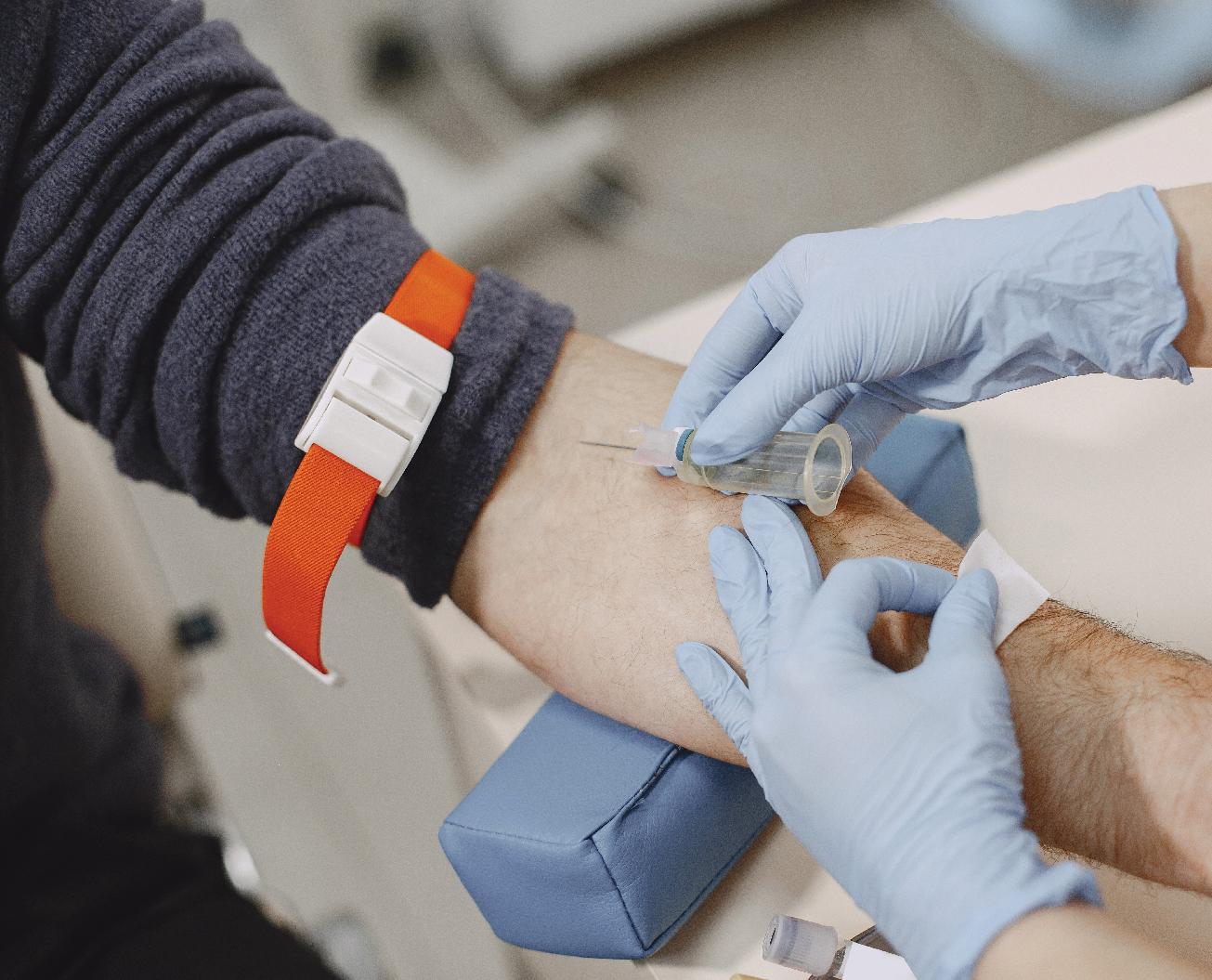
How does a whole body health check-up keep you safe?
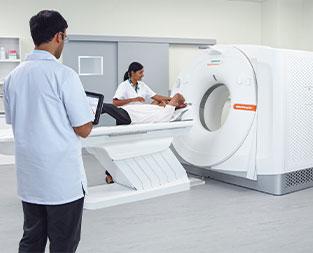
High-Resolution Computed Tomography (HRCT)

Importance of preventive health check-up



Neck Pain: Symptoms, Causes and Diagnosis

Heart Diseases: What Tests Can Tell You About Your Heart

धूम्रपान : यह आपके हृदय और फेफड़ों को कैसे नुकसान पहुंचा सकता है

Why a Full Body Checkup Is a Smart Investment in Your Health

Diabetes Screening: Your First Step to Healthy Living
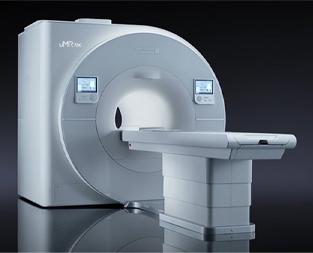
एमआरआई स्कैन: क्या है, कैसे होता है — पूरी जानकारी
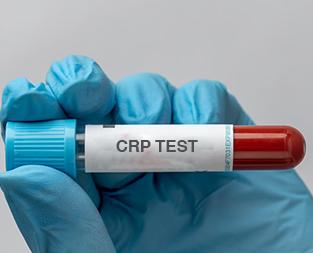


Heart Disease: Types, Causes and Prevention


Top 10 Chest Pain Remedies | Home Remedies For Heart Pain