Experience Home Collections in as early as 45 minutes* when you book with us online. *Subject to slot availability
Experience Home Collections in as early as 45 minutes* when you book with us online. *Subject to slot availability


Tags
Calcium Deficiency: Symptoms, Causes and How to Manage
Calcium is an essential mineral that the body needs for several important functions. This nutrient supports strong bones and teeth and also plays a role in normal muscle movement, nerve function and heart activity. Given that the body cannot make calcium on its own, it needs to come from food and, when required, supplements. When calcium levels become too low, a range of symptoms can develop depending on the severity and duration of the deficiency.
Understanding of Calcium deficiency
Calcium deficiency occurs when the amount of calcium is lower than expected. Mild deficiency may not cause noticeable symptoms at first, while prolonged or significant deficiency can affect the bones, muscles and nervous system.
A healthcare professional may recommend a blood test if low calcium is suspected. Further tests may also be needed to identify why the calcium level is low.
Causes of calcium deficiency
Several factors can contribute to low calcium levels, including:
- Hormonal changes: Hormones such as parathyroid hormone help regulate calcium levels in the body. Problems affecting the parathyroid glands can therefore contribute to low blood calcium. In women, the reduction in oestrogen after menopause can also accelerate bone loss and increase the risk of developing weaker bones.
- Inadequate Calcium or Vitamin D: A diet that does not provide enough calcium can contribute to deficiency. People who consume little or no dairy may need to pay particular attention to other calcium sources, such as leafy green vegetables, nuts and fortified foods. Vitamin D is equally important because it helps the body absorb calcium. Low vitamin D levels can therefore interfere with calcium absorption and contribute to poor calcium balance.
- Certain medical conditions: Some health conditions can affect the way the body absorbs or maintains calcium. Kidney disease, for example, can interfere with vitamin D metabolism. Conditions affecting the digestive system, including coeliac disease and Crohn's disease, may also reduce calcium absorption.
- Medications: Long-term use of certain medications may lower calcium levels in your body. If you take medication regularly, speak to your healthcare professional before starting calcium or vitamin D supplements.
- Lifestyle factors: Everyday habits can also influence bone health. Heavy alcohol consumption, smoking and a lack of physical activity may increase the risk of weaker bones. Excessive caffeine intake may also affect calcium balance in some people.
Symptoms of Calcium Deficiency
Symptoms can differ depending on how low the calcium level is and how long it has remained low. Possible signs include:
Tingling or numbness
Low calcium can affect normal nerve function and may cause tingling or numbness, particularly around the mouth, fingers or feet.
Muscle cramps and spasms
Muscle cramps, particularly in the hands, feet and legs, can occur when calcium levels are significantly low. Severe deficiency may cause prolonged muscle spasms.
Bone pain and fractures
Long-term calcium deficiency can contribute to reduced bone strength. This may increase the risk of fractures and, in some cases, conditions such as osteoporosis.
Weak or brittle nails
Some people may notice their nails becoming too fragile and thin, which increases the risk of breaking due to low calcium levels.
Dental issues
Calcium is important for healthy teeth and their development. Prolonged inadequate calcium intake may contribute to poor dental health, particularly during childhood and adolescence.
Fatigue and weakness
Low calcium levels may sometimes be associated with tiredness, weakness or reduced physical stamina.
Changes in heart rhythm
Severe hypocalcaemia can affect the electrical activity of the heart and may lead to an abnormal heart rhythm. This requires prompt medical attention.
Neurological symptoms
In severe cases, calcium deficiency may cause confusion, seizures or other changes in neurological function.
How is calcium deficiency detected?
Your doctor may recommend one or more tests depending on symptoms and suspected cause:
- Blood calcium test: This test measures the total calcium levels in your blood. Low levels usually indicate hypocalcemia and help to determine whether further tests are required for investigation or not.
- Vitamin D test: As vitamin D is found to be essential for calcium absorption, measuring your vitamin D levels can help you to know whether its deficiency is causing the low calcium levels.
- Parathyroid hormone (PTH) test: Parathyroid hormone, or PTH, helps regulate calcium in the blood. Testing PTH can provide useful information about how the body is controlling calcium levels.
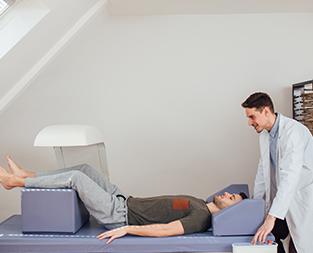
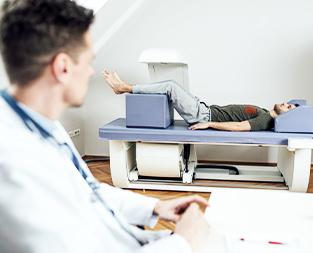
- Bone density Scan ( DEXA Scan): In case of a long term or severe deficiency, a bone density scan test aids in evaluating bone strength and identifies early signs of conditions like osteoporosis.
How is calcium deficiency managed?
Management depends on the underlying cause and how low the calcium level is.
- Improve dietary intake: Calcium-rich foods can be included as part of a balanced diet. Options include milk, yoghurt, cheese, almonds, calcium-fortified foods and certain leafy green vegetables.
- Calcium or Vitamin D Supplements: If dietary intake is not enough, a healthcare professional may recommend supplements. The type and dose should be based on individual needs rather than taken routinely without medical advice.
- Lifestyle adjustments: Weight-bearing and resistance exercises can support bone strength. Regular physical activity, along with avoiding smoking and limiting excessive alcohol intake, can also benefit overall bone health.
- Treat the underlying cause: Correcting calcium deficiency involves more than simply increasing calcium intake. Your healthcare professional may review your medications, vitamin D status, kidney function, hormonal factors or other possible causes.
When should you consult a doctor?
Persistent muscle cramps, tingling or numbness, unusual weakness or other unexplained symptoms should not be ignored. These symptoms can have several possible causes and do not necessarily indicate calcium deficiency.
If low calcium is suspected, a healthcare professional can recommend appropriate tests and determine whether dietary changes, supplements or treatment for an underlying condition are needed.
FAQs
1. What are the common symptoms of calcium deficiency?
Calcium deficiency may cause muscle cramps, tingling or numbness, weak or brittle nails, and fatigue. In more severe cases, it may affect bone health and increase the risk of fractures.
2. What causes calcium deficiency?
Calcium deficiency can result from inadequate dietary intake, low vitamin D levels, certain medical conditions, or problems with calcium absorption. Some medications may also affect calcium levels.
3. How is calcium deficiency diagnosed?
A healthcare provider may recommend a blood test to check calcium levels, along with other tests based on your symptoms and health history. These tests help identify the possible cause of the deficiency.
4. How can calcium deficiency be managed?
Management depends on the cause. It may include calcium-rich foods, vitamin D, supplements when recommended, physical activity and treatment of an underlying medical condition.
Sources:
https://www.betterhealth.vic.gov.au/health/healthyliving/calcium
https://www.bda.uk.com/resource/calcium.html
https://www.who.int/teams/nutrition-and-food-safety/databases/vitamin-and-mineral-nutrition-information-system
Related Products
Trending Blogs


Your Guide to Vitamins: The Types and Their Health Benefits

Vitamin B12: Uses, Deficiency and Food Sources



Calcium Deficiency: Symptoms, Causes and How to Manage
एमआरआई स्कैन: क्या है, कैसे होता है — पूरी जानकारी
DEXA Scan: A Vital Tool in Measuring Bone Health
The Significance of Maintaining A Good Posture
DEXA Scan For Evaluating Bone Health

Vitamin D, Vitamin D Deficiency and Sleep Disorders

Osteoporosis: Symptoms, Risk factors and Diagnosis

What’s the difference between an MRI and CT scan?