Experience Home Collections in as early as 45 minutes* when you book with us online. *Subject to slot availability
Experience Home Collections in as early as 45 minutes* when you book with us online. *Subject to slot availability


Tags
Understanding Headaches: Common Triggers, Types & Red Flags
Headaches are something most people experience at some point in their lives. Headache pain may occur on one or both sides of the head and can feel dull, sharp, throbbing or like pressure. While an occasional headache is usually not a cause for concern, headaches that occur frequently or every day deserve attention.
Several types of headaches exist, with tension-type headaches among the most common. While some continue for several hours or even days, others develop gradually and settle within a short time. In some cases, however, a headache may be linked to an underlying medical condition.
Understanding possible causes and knowing when you need medical attention can help you manage recurring headaches more effectively.
Not all headaches are the same
The intensity of a headache can vary in terms of how it begins, how long it lasts and what other symptoms may occur alongside it. These patterns can give clues about the type of headache and its possible trigger.
For example, migraine may cause throbbing pain along with symptoms such as nausea or sensitivity to light and sound. On the other hand, cluster headaches tend to cause severe pain around one eye and may occur repeatedly over a period of time.
If headaches occur more often or follow a noticeably different pattern, discuss these changes with a healthcare professional.
What are the different types of headaches?
There are more than 150 types of headaches, which can be broadly divided into two categories: primary and secondary.
Primary headaches
A primary headache occurs when the pain-sensitive structures of the head become overactive or do not function properly. In these cases, the headache itself is the condition rather than a symptom of another illness.
Common primary headaches include:
- Tension-type headaches
- Migraine
- Cluster headaches
- New daily persistent headache
Certain lifestyle factors may trigger or worsen some primary headaches. These can include:
- Poor posture
- Skipping meals
- Alcohol, including red wine
- Excessive or sudden changes in caffeine intake
- Processed foods or other individual food triggers
- Nicotine use
- Lack of sleep or changes in sleep patterns
- Certain activities such as coughing, sneezing, laughing or straining
Though primary headaches are not usually dangerous, they can be very painful and affect your day-to-day activities.
Secondary headaches
A secondary headache occurs as a symptom of another condition or an underlying problem. Some causes are relatively minor and can be treated easily, while others require prompt medical attention.
Examples of less serious causes may include:
- Sinus
- Dehydration
- Medication overuse
Some secondary headaches can signal a more serious problem. These may include:
- Spinal headaches: These are intense headaches that occur when spinal fluid leaks out of the membrane covering the spinal cord after a spinal tap. Most spinal headaches can be easily treated at home, but prolonged and untreated ones can lead to life-threatening challenges, including seizures too.
- Thunderclap headaches: These are another important type. They begin suddenly and reach their maximum intensity very quickly. Although not every thunderclap headache is caused by a dangerous condition, this type of headache can be associated with problems such as bleeding in or around the brain and therefore requires urgent medical assessment.
What causes headaches?
Headache pain usually results from interactions between the brain, blood vessels, muscles, and pain-sensitive nerves in and around the head and neck. When these structures are irritated or activated, pain signals are transmitted to the brain.
The underlying trigger can vary widely. Common factors associated with headaches include:
- Stress and emotional tension
- Poor sleep
- Dehydration
- Skipping meals
- Eye strain
- Certain foods or drinks
- Strong smells
- Exposure to allergens
- Secondhand smoke
- Changes in routine
Identifying what happens before a headache develops can sometimes help in recognising personal triggers.
Can headaches run in families?
Yes. Some types of headaches, particularly migraines, can have a genetic component. Individuals experiencing migraines usually have at least one biological parent who also experiences them. Kids with parents who have migraines are at higher risk of developing them.
When does a headache require immediate medical attention?
Most headaches are not emergencies. However, certain symptoms should not be overlooked:
Seek urgent medical attention if a headache:
- Starts suddenly and is extremely severe
- Occurs after a head injury
- Is accompanied by fever and a stiff neck
- Occurs with a rash or significant breathing difficulty
- Is very different from your usual headaches
- Begins later in life and is new or unusual
- Is accompanied by neurological symptoms
You should seek medical care if it is associated with neurological symptoms, such as:
- Weakness or paralysis
- Numbness or tingling
- Difficulty speaking
- Loss of balance or coordination
- Confusion
- Sudden changes in behaviour or personality
- Changes in vision
- Loss of consciousness
How are frequent headaches evaluated?
If you experience headaches regularly, particularly if they are becoming more frequent, severe or unusual, your doctor may begin by asking about your symptoms and medical history.
You may be asked:
- How often the headaches occur
- How long they usually last
- Where the pain is located
- What the pain feels like
- Whether anything triggers or relieves it
- Whether you experience nausea, vomiting or sensitivity to light
- Whether you have noticed any changes in your vision or other symptoms
Your doctor may also check your blood pressure and look for signs of infection or neurological problems.
In some situations, further testing may be recommended. Depending on your symptoms and medical history, this may include imaging such as a CT scan or MRI.
CT Scan: A CT (Computed Tomography) scan uses X-rays to produce detailed cross-sectional images of the brain and skull. It is often useful for quickly identifying problems such as bleeding, injuries, or other abnormalities inside the head.
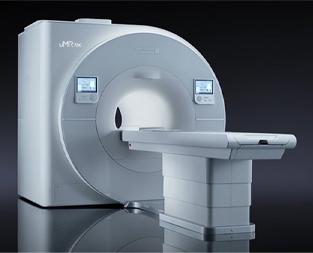
MRI: An MRI (Magnetic Resonance Imaging) uses a strong magnetic field and radio waves to create detailed images of your brain. It can help detect conditions such as brain tumours, abnormalities in brain tissue, or problems affecting blood vessels.
Not everyone with recurring headaches needs an MRI or CT scan. The decision depends on the individual's symptoms, examination findings and medical history.
When should you see a doctor for frequent headaches?
It is easy to dismiss a recurring headache as something that will simply go away. However, headaches that occur frequently, become progressively worse or start affecting your normal routine should be discussed with a healthcare professional.
Consider seeing a doctor if headaches:
- Occur repeatedly or more than once a week
- Are becoming more frequent or severe
- Interfere with work, sleep or daily activities
- Change in their usual pattern
- Require frequent use of pain medication
- Are accompanied by other concerning symptoms
Keeping track of when your headaches occur, how long they last and what symptoms accompany them can also help your doctor identify possible patterns or triggers.
FAQs
1. Is it normal to have a headache every day?
No, frequent or daily headaches should not be ignored, especially if they are new, severe, or getting worse. A doctor can help identify the possible cause and suggest appropriate treatment.
2. What can cause headaches every day?
Daily headaches may be linked to stress, dehydration, poor sleep, eye strain, medication overuse, or certain health conditions. Identifying the trigger can help your doctor recommend the right approach.
3. When should I see a doctor for daily headaches?
See a doctor if your headaches occur frequently, interfere with your daily activities, or are becoming more severe. Seek urgent medical care if a sudden, extremely severe headache occurs with symptoms such as weakness, confusion, or difficulty speaking.
4. Will I need an MRI or CT scan for frequent headaches?
Not everyone with frequent headaches needs an MRI or CT scan; your doctor will decide based on your symptoms and medical history. These scans may be recommended when there is a concern about an underlying problem.
Sources:
https://www.ninds.nih.gov/health-information/disorders/headache
https://headaches.org/
https://www.who.int/news-room/fact-sheets/detail/headache-disorders
Related Products
Trending Blogs


Viral Fever: Symptoms, Causes and Diagnosis



Migraine Headaches: Causes, Treatment & Symptoms

Understanding Headaches: Common Triggers, Types & Red Flags

What Is an MRI Cervical Spine Scan and How Does It Work?

वायु प्रदूषण और स्वास्थ्य पर उनके प्रभाव
एमआरआई स्कैन: क्या है, कैसे होता है — पूरी जानकारी

संपूर्ण शरीर PET CT स्कैन: प्रक्रिया, आवश्यकता और लाभ



Neck Pain: Symptoms, Causes and Diagnosis